
Photo by C. Dustin @Unsplash.
70% of all software that businesses use today are SaaS. This number could grow to 85% by 2025. (BetterCloud.)
Ascendix found approximately 30,000 SaaS companies worldwide. Who are the key players?
The United States remains the leading country with the most SaaS companies, at 16,000, with a total revenue of $389.3 billion. Canada and the United Kingdom follow with 2,000 companies. (Latka, 2022)
Let’s look at some other data points that suggest that SaaS adoption is climbing:
- 84% of executives believe that SaaS is the future of enterprise software. (Bain & Company)
- Salesforce, found that 75% of businesses will increase their SaaS spending next year.
- And Gartner expects the global SaaS market to grow to $278 billion by 2026.
The web page Finances Online shows the following statistics:
- The global cloud computing market —the umbrella space of SaaS—is enjoying a compound annual growth rate of 16.3%. Experts predict the industry will be worth up to $947.3 billion by 2026. (Markets and Markets, 2021)
- As of January 2022, Adobe Inc. is the largest SaaS company in terms of market cap at $243 billion. Following it are Salesforce ($224 billion), Intuit ($160.7 billion), and Shopify ($143.2 billion). (Mike Sonders, 2022)
- Dropbox has expanded its services by buying DocSend Inc. for $165 million. (Deutscher, 2021)
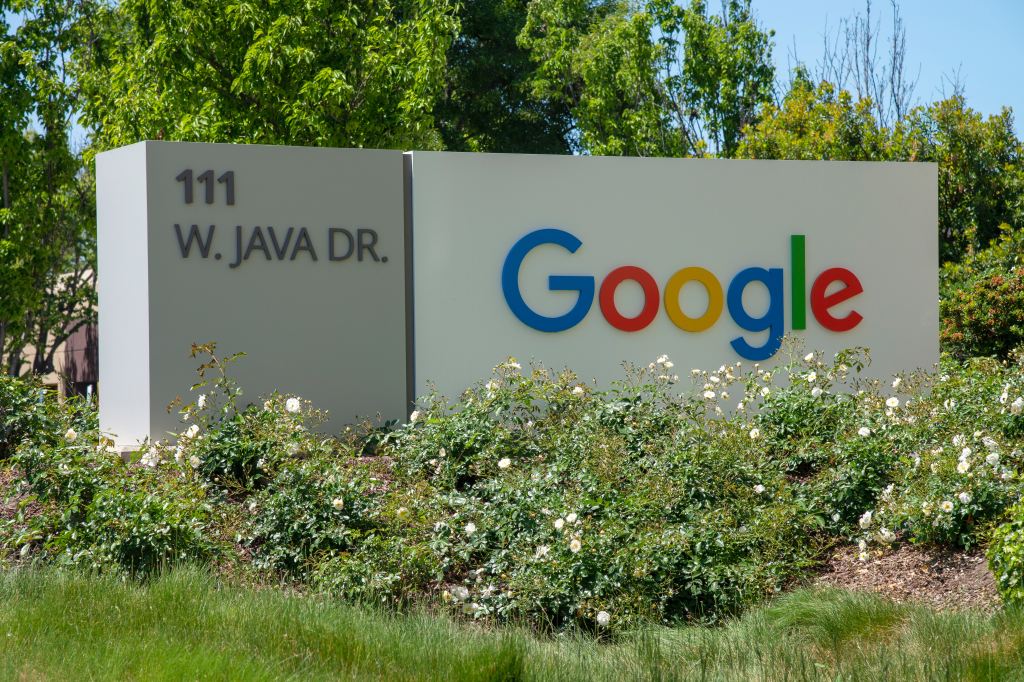
Photo by Greg Bulla @Unsplash
The trend does not show signs of slowing down. Some companies show churn, while others get acquired or absorbed. Even household-name “old” software companies are now offering SaaS products.
As the potential market/clients the SaaS industry pretends to serve come in all sizes, so it is with the providers. There are giants like Microsoft, Amazon (with Amazon Web Services, AWS), Google (with Google Workspace), and Oracle.
The SaaS-provider market includes a blend of pure-play SaaS companies (that offer cloud-based software only) and traditional software companies that have transitioned to SaaS models.
It is a rich and varied landscape.

Photo by M. Rezaie @Pixbay
What is SaaS in simple terms?
“Software-as-a-Service (SaaS)” is a cloud-based software delivery model. It allows end users to access software applications over the internet through a subscription.
How do you classify SaaS companies?
The usual way is to group them under the industries the potential clients fall under or the divisions they are most interested in. So you might have:
- Customer Relationship Management Companies or CRMs
- Marketing SaaS Companies
- Project/Task Management SaaS Companies
- Cybersecurity SaaS Companies
- Human Resources SaaS Companies
- Software Development SaaS Companies
- Education SaaS Companies
In the real world, no service/platform serves everyone. Bummer.
A combination of standard licensed products, different SaaSes from different providers, and programs designed in-house will do the job.
Why buy a SaaS solution?
Because you’ll improve your business processes, save time and money, and increase productivity.
Here are some instances:
- A customer relationship management (CRM) system can help you manage customer data and interactions, improve customer service, and increase sales.
- A marketing platform can help you automate your marketing campaigns, better target your audience, and track their results.
- A security solution can help protect your data from cyberattacks.
- A collaboration tool can help improve communication and collaboration between your employees.
What’s in it for you?
1. Cost-Efficiency: You’ll reduce upfront capital expenses. No more purchasing and maintaining on-premises software and hardware.
Subscription-based pricing is more predictable. You may have a small team or even work as a solopreneur. You do not want to strain your budget.
2. Flexibility: You want a solution that can adjust to your needs because you want to grow. These companies offer tiered pricing models that allow you to pay for the features and resources you need depending on where you are at.
3. Accessibility and Mobility: You want to access their software and data from anywhere, using various devices, including smartphones and tablets.
4. Ease of Use: No investing in training or struggling with complex interfaces.
As a small business owner or startup founder, you wear many hats. You may not have the time or expertise to deal with a complicated project management tool.
You also want a tool that facilitates real-time collaboration, file sharing, and communication within the platform.
5. Task Management: Keeping track of tasks, deadlines, and project progress can be challenging for small teams. Something like Trello and Asana come to mind.
6. Collaboration: Effective collaboration among team members, often in different locations.

Photo by Chris Montgomery @ Unsplash
7. Maintenance and Updates: They will handle software updates and maintenance, and you can focus on using the software rather than managing it.
8. Data Security and Privacy: True, especially when you store sensitive information in the cloud. You expect robust security measures, encryption, and compliance with data privacy regulations.
9. Integration Capabilities: You might have existing systems and tools. So you need something that can seamlessly integrate with the technology you already have, avoiding data silos, and increase efficiency.
10. Customization: Want to feel like the solution is done specifically for you? It’s possible.
11. Reliability and Uptime: High availability and minimal downtime. Any disruptions in service result in lost productivity and revenue.
12. Support and Customer Service: You want to snap your finger and get efficient customer support and technical help in case of issues or questions because small clients like you often lack dedicated IT staff.
13. Compliance, Reporting, and Analytics: Depending on your industry, you might need solutions that follow specific regulations, reporting and analytical capabilities to track project performance and make improvements.
14. ROI and Value Proposition: You can get a clear return on investment (ROI) from the SaaS solution when you understand how the software will help you achieve your business goals and objectives.
15. Data Backup and Recovery: Check.
How do you go about finding and choosing the right SaaS company?
In my research, I found that most contenders offer one or various of these options:
- A Demo,
- A basic version for free, which you can try out before going for more advanced or complete versions.
Regarding pricing, offers from several SaaS companies for similar products or software suites have similar costs.
When the moment is ripe, get together with your team and pinpoint what you really need. Be specific and listen to everyone’s ideas.
Jump on Google. You will find all kinds of articles that address the service you need.
Compare the three that look like the best fit.
And In the last stage, the bidding process, use the Customer Service Department without mercy and address all your questions and doubts.
Good luck.
 The Analytical Wordsmith