
Storytelling constructs a plot that engages. Using it in copywriting can help you connect with your readers.
Draw your target audience in and create an emotional connection. How? By using stories that bring to the table the changes your client wants.
You will read about the story of storytelling. Then, we will explore further what telling stories means for your work.
Storytelling’s story in the blink of an eye
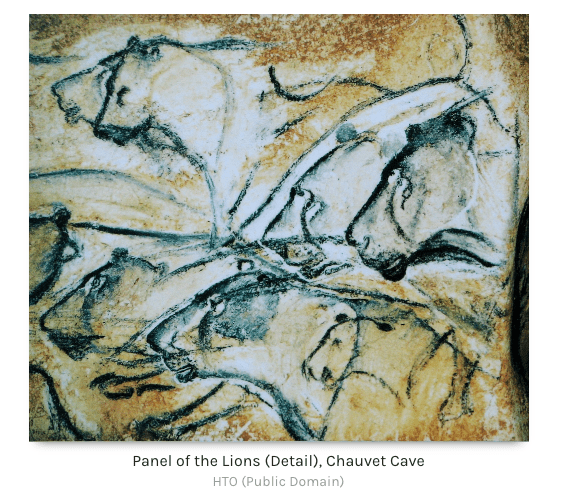
The French Chauvet cave was where it all started, with its 30,000-year-old drawings. Animals were present, demonstrating the universal visual disposition of humans.
The Elders would weave a plot on mud or clay using a stick.
Depending on the point in history, and the happenings, oral tradition succeeded in telling stories.
It could be in songs, poetry, or simple tales in simple words handed down from grandfathers to fathers and fathers to sons.
Then came the hieroglyphs in ancient Egypt, one of the earliest writing systems. The Reporter
And the written stories were born
The biggest evidence of the shift from an oral to a written culture is in ancient Greece. The earliest inscriptions date from 770 and 750 B.C.
The history of Information suggests that Homer’s “The Iliad” is the earliest Greek work that survived oral tradition. Plays as a form of dramatic storytelling emerged during this period as well.
Then Johannes Gutenberg invented mass printing. That was the next major event in the development of communication because it would allow the dissemination of news and other information to a broader audience.
Then the media and technology stepped in.
And now, we have social media, and marketing, to tell stories.
Why are tales so important?
The world displays 5.3 trillion ads to customers each year.
The industry publishes over four million blogs daily.
In this super-competitive environment, you need to stand out.
Greatcontent.com
That’s why stories are essential. No other living creature on earth likes knowing about other people’s lives more than humans. That’s why reality shows are so popular. —Haven’t you binge-watched “Love is Blind” for 4 hours straight?
Guilty.
We’re curious about other people’s lives.
We love gossip.
Photo by Flor Maria Cruz
“Folklorists and anthropologists tell us that when gossip turns into a story—when it becomes a hybrid of truth and fiction, a kind of confabulation—it helps us address collective social anxieties and cultural contradictions. Folktales enable us to process feelings, giving a name to our fears and challenges, turning them into “a representative and recognizable symbolic form”.
Lithub
“How come our brains are hardwired to take pleasure in narratives? How do the story’s emotional and intellectual effects shape our convictions and actions?
As social animals, our past may hold the keys to answering these questions. The stories we tell are not about us but about the people we have in mind. The telling of tales is an important part of staying informed about local issues
Scientific American
See what I mean? Gossip. Tittle-Tattle. Whisperings.

The movie industry makes billions of dollars with stories, because they sell. You get invested in the drama, and you relate to it, so you buy.
Telling a story can lead your leads (sorry, I had to do this) into imagining a better self because of someone in your copy went through the same travail, knows what if feels to be part of something, and can gain recognition because the product offers that.
The power of stories
Know your clients’ challenges and obstacles and create tales that appeal to their emotions. That makes them feel understood.
- Write about a professional in your field who overcame adversity to help others in the same circumstances.
- A customer who may have discovered a solution to a problem,
- Or a business owner who succeeded after years of trying.
- If you’re writing about SEO optimization, for example, tell the story of the person who struggles to rank the articles.
When you write copy, you’re a salesperson, and you can help people who, for instance:
- Need a quick breakfast while driving to the office, so they buy nutritious milkshakes (from McDonald’s).
- Want to look better, so they will use the makeup Revlon produces,
- Think they’ll run like Usain or hit the ball like Serena, so they’ll go for Nike because all they have to is “do it.”
Stories are attention grabbers. Audiences remember them better than other data-like features.
They entertain and brands can become human.
You will earn the audience’s trust and get closer to selling.
Frameworks we use to tell stories
These are some of the structures used in copywriting. They get the job done because we can use storytelling.
Let’s see which ones I like most.
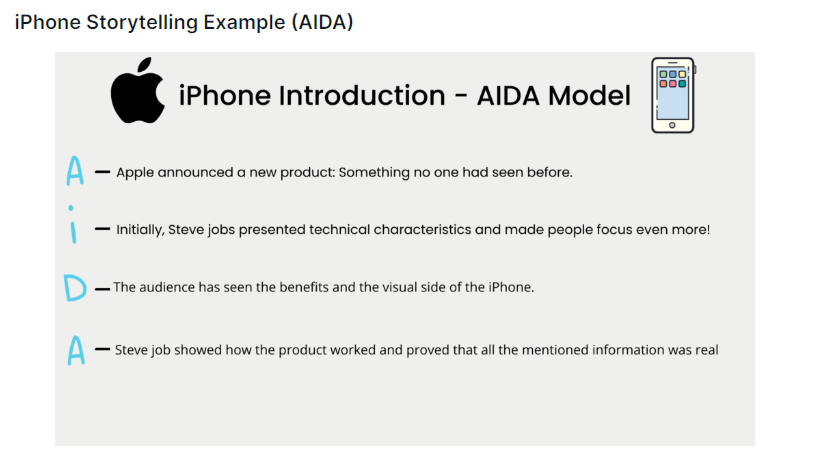
AIDA
(One of the most popular.)
- Attention
- Interest
- Desire
- Action
4 Ps framework
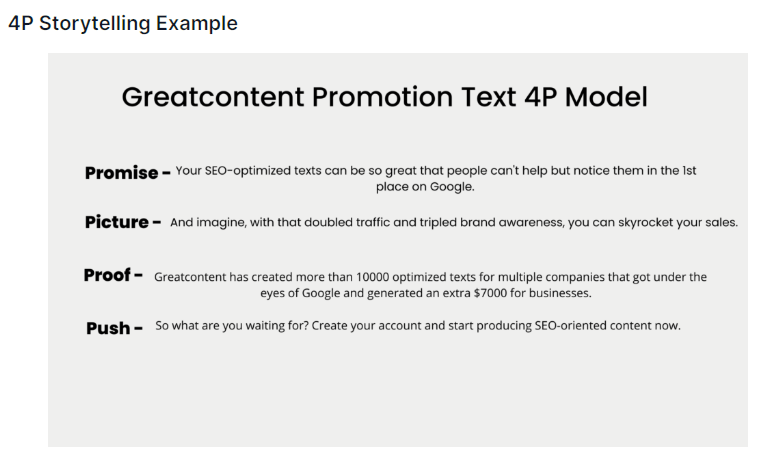
- Make a Promise to your audience to capture their attention. Explain what is in for customers and keep it real throughout the text.
- Draw a Picture with descriptions and emotions using your inventive copywriting skills. Inspire people to walk in the shoes of others who appreciate the benefits you provide.
- Proof – Data is the detail that will turn your text into excellent material. Only this way can you achieve authority and trustworthiness. Use statistics and infographics, cite other reliable sources, etc.
- Push – Give it your best shot and land that client.
Before-After-Bridge
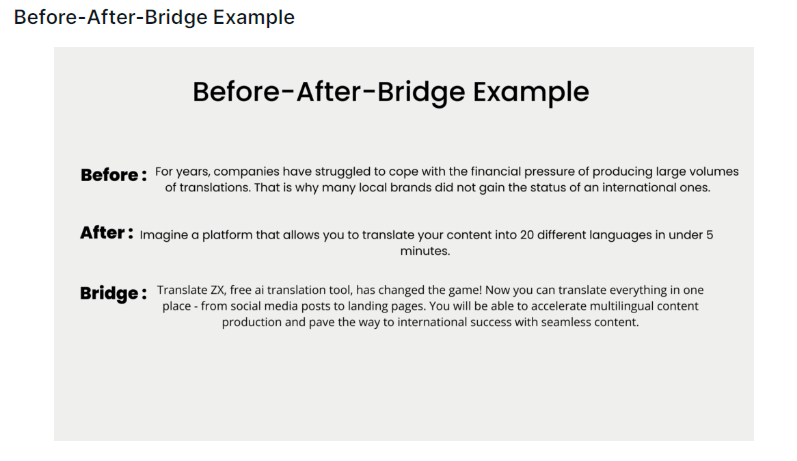
BAB leads readers out of a bad situation and into a better one.
- Before. You begin to outline an existing issue.
- After. You demonstrate to your audience how your solution will improve their lives because it’s perfect.
- Bridge. Provide your customers with a particular solution as a bridge between the two worlds.
The Hero’s Journey
All of them, from Sherlock Holmes to countless action-packed books and movies, adhere to Joseph Campbell’s 1949 classification of a hero’s journey.
Here’s copywriter Ray Edwards walking you through.
Storytelling Examples in Marketing
Companies tell stories to construct customer relationships and lay the foundation for long-term loyalty.
Here are two examples of successful stories that build relationships and brand loyalty.
Apple, think different.
L’Occitane
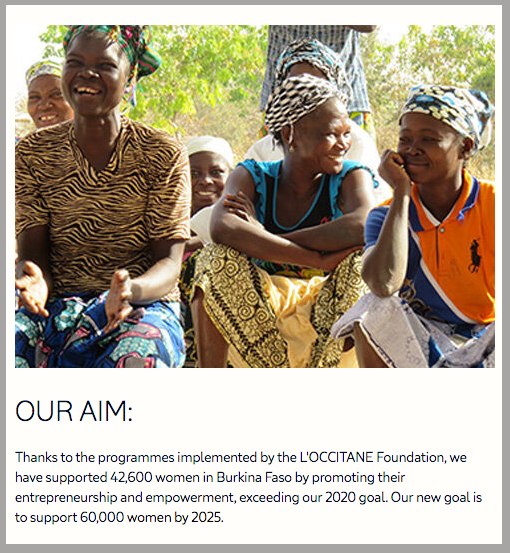
On their website, you will see that the company does not attempt to hide the fact that they source materials from Burkina Faso, one of the world’s poorest countries. But they have flipped the narrative to emphasize their efforts to better the lives of local workers:
“Burkina Faso is one of the poorest countries in the world. If we do nothing, more than 3.7 million women will still live in poverty. By supporting and empowering Burkinabè women, we can help lift them out of poverty.”
“By earning their own income and developing their activities, the women shea butter producers in Burkina Faso are able to improve their social status. They can contribute more to household expenses and help pay for their children’s education. The whole family benefits!”
L’Occitane website.
Now, go. Get writing.
 The Analytical Wordsmith