

NOW!

Photo by Volodymyr Hryshchenko on Unsplash
New marketing channels emerge; there’s no debate on this.
One thing remains constant, though: Email marketing.
While newer channels and strategies come out —social commerce, video marketing, voice search—emails continue to be a staple for businesses of all sizes.
Here’s why.
Email marketing has been around for decades, and it has stood the test of time.
Unlike recent trends, it has always delivered a high return on investment (ROI).
According to the Data & Marketing Association (DMA), for every $1 spent on email marketing, the average ROI is $42.
Impressive, right?
These are the most important advantages of email marketing.
Direct and Personal Communication
Email marketing allows direct communication with your audience.
Because when someone subscribes to your email list, they invite you into their personal space:
Their inbox.
This level of permission-based access gives you unique opportunities to engage with them. Up close.
Better Control and Ownership
One of the significant advantages of email marketing is that you have complete control.
Because you can wake up one day without an audience that took you years to build because your favorite social media platform algorithms and policies changed.
Your email list belongs to you. You’re free to access it anytime and communicate with your subscribers without further ado.
Priceless.
Photo by Solen Feyissa on Unsplash
Get an orange and peel it. What next? Divide it into segments.
That’s what you do with your subscribers. You divide them according to demographics, behavior, and engagement.
Your message goes out to the perfect audience, increasing engagement and conversion.
Because your products go to whom they should.
Your special offers arrive in the perfect inbox.
Your promotions go to the perfect subscriber.
Having a good email list means that you have maintained it to ensure that it remains responsive and valuable.
Segmentation is key for this.
You create a loyal fan base with an active, warm, healthy, qualified email list.
It’s like growing herbs in your backyard.
The anatomy of a successful email campaign

Photo by ConvertKit on Unsplash
A well-nurtured and growing email list.
That means addressing subscribers by name and pushing products or content based on past behavior on other channels.
Maintain a consistent sending schedule. Whether it’s a weekly newsletter, monthly updates, or event-triggered emails, subscribers should know when to expect emails from you.
Allow them to tell you when they want your emails and act upon this. Don’t skip this step.
They must also be able to unsubscribe easily because it’s not cool to have them go page after page, answering silly questions to see if they repent.
I’ve been there.
You see, if not, you won’t be building trust and anticipation, critical components of a growing business.
Make unsubscribing easy for them. I can’t repeat this enough.
Clean your list now and then to remove invalid or inactive email addresses. High bounce rates and low engagement can harm your sender-reputation and email deliverability.
Automation. How do you eat that?
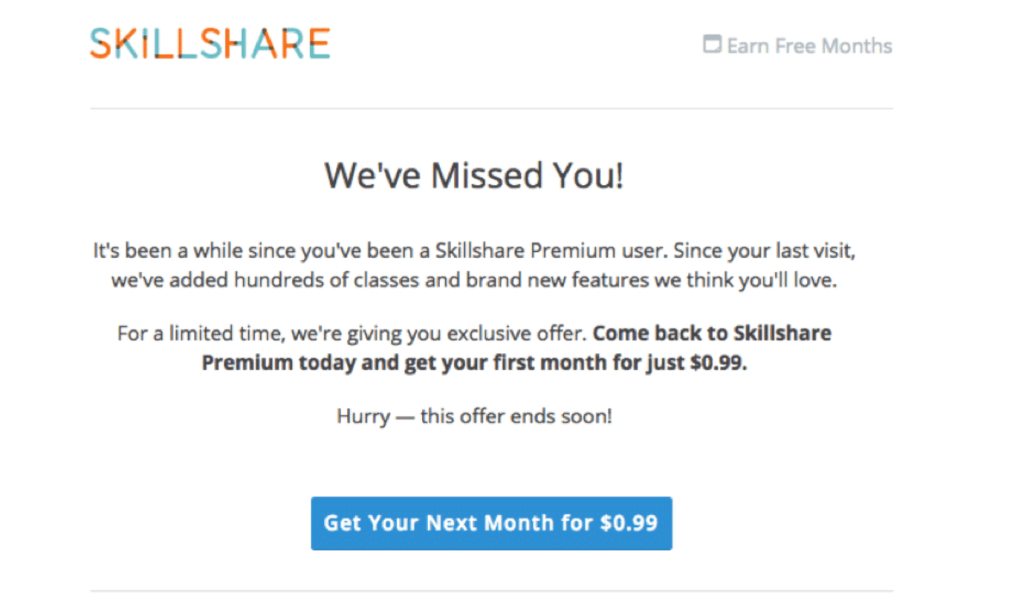
Have you got one of these?
How?
Automation.
Do you remember how it made you feel when you got an email greeting for your birthday?
Automation.
Or that dress you left in your shopping cart and forgot about it? You most likely received an email reminding you about it.
Automation.
Onboarding new subscribers, sending birthday greetings, or re-engaging inactive addresses: automation does that.
It also lets you maintain contact with your list even when you’re not sending campaigns.
Brand Loyalty
Email marketing is the way to go when building brand loyalty, and brand awareness.
Sharing informative content, industry insights, and tips can position you as a thought leader, and your gang will choose your products or services over the competition.
Build a two-way communication. Encourage them to provide feedback, reply to emails, or engage with your brand through surveys or social media. Be mindful of their responses and use them to improve your offerings.
Feedback and Insights
An email list is not a one-way communication channel; it’s also a valuable source of information.
Monitor how subscribers interact with your emails. Pay attention to metrics like open rates, click-through, and conversion rates. This data will help you understand what matters to your subscribers. What works and what doesn’t.
This data can inform your marketing strategy and help you refine your content over time.
Most email marketing platforms offer analytics tools that allow you to track:
- Open rates,
- Click-through rates,
- Conversion rates, and other essential metrics.
Test different elements of your emails:
-subject lines,
-content,
-and calls to action
to determine what agrees best with your audience.
Adaptability and Integration
Email marketing is adaptable and can merge with your broader marketing strategy.
You can use it to drive traffic to your website, promote your social media channels, and create a cohesive online presence.
Today, close to 1.7 billion users check their emails on their phones. So, ensure your content is mobile-friendly and displays well on various devices.
Compliance and Legal Considerations

Photo by Hannes Johnson on Unsplash
Always respect subscribers’ privacy and adhere to relevant data protection regulations, such as the General Data Protection Regulation (GDPR).
A.K.A.DO.NOT.SPAM your audience.
Communicate your privacy policy and allow subscribers to control their preferences and opt-out—Wait! Have I said this before?
Compliance ensures that you are collecting and using personal data, respecting the privacy of your subscribers, and keeping you on the right side of the law.
Are you still waiting to jump on the wagon?
Remember that the others are doing this already. Not going down this alley means you’ll fall behind your competition and lose chances to connect with potential customers.
GO!
 The Analytical Wordsmith